Leo Salkind
Leo's Project Portfolio
Research, robotics engineering, and laboratory work.
Research
Work Experience
Robotics Projects
Lab Work
Research, robotics engineering, and laboratory work.
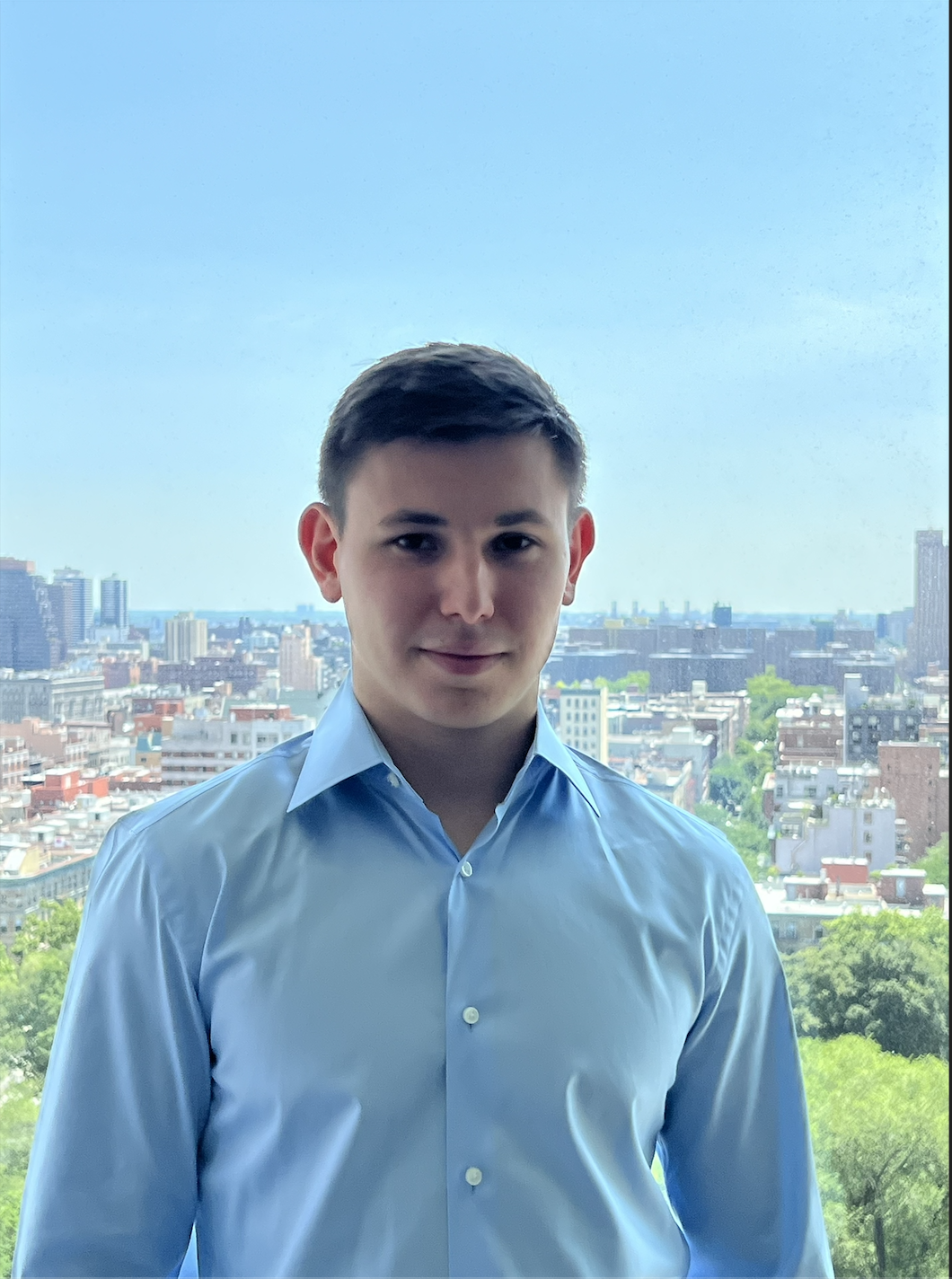
The person behind this site and the work they do.
This is a personal website showcasing research, robotics, and lab work. Add your bio and background here to introduce yourself to visitors.
Add details about your academic background, institution, research interests, or professional experience here.
Get in touch — fill out the form below or reach out directly.
Ongoing and completed research projects, papers, and findings.
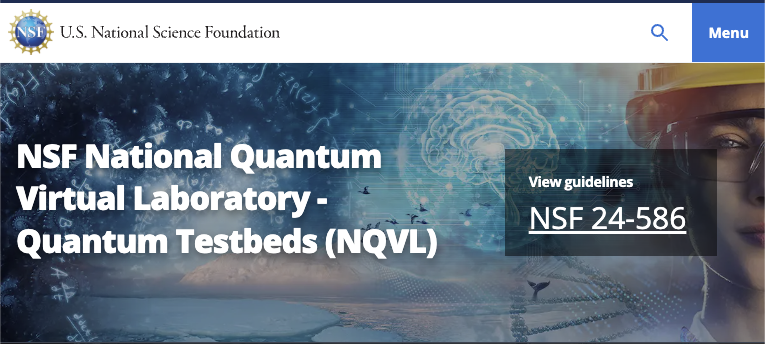
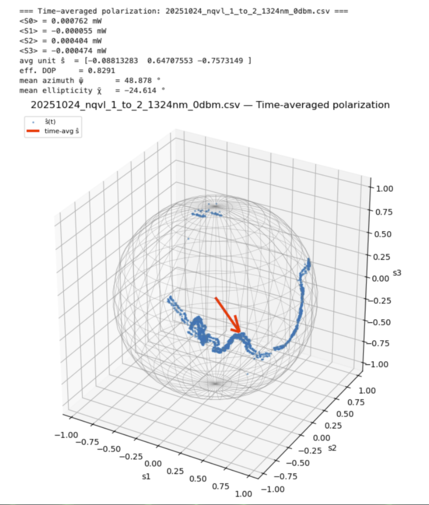
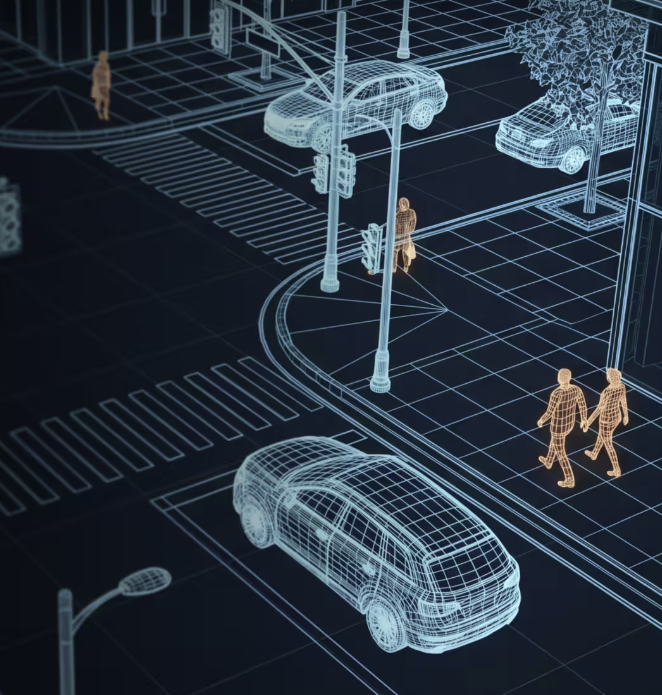
I worked on Columbia’s National Quantum Virtual Laboratory project, analyzing polarization drift, phase shifts, and attenuation in optical fibers across New York City. I wrote software to track Stokes vector evolution and calculate fidelity, and built a PyVISA-based pipeline to control instruments and collect time-resolved measurements. I also mapped the network’s fiber routes and their connections to Columbia’s labs and data centers.
Roles, internships, and professional experience.
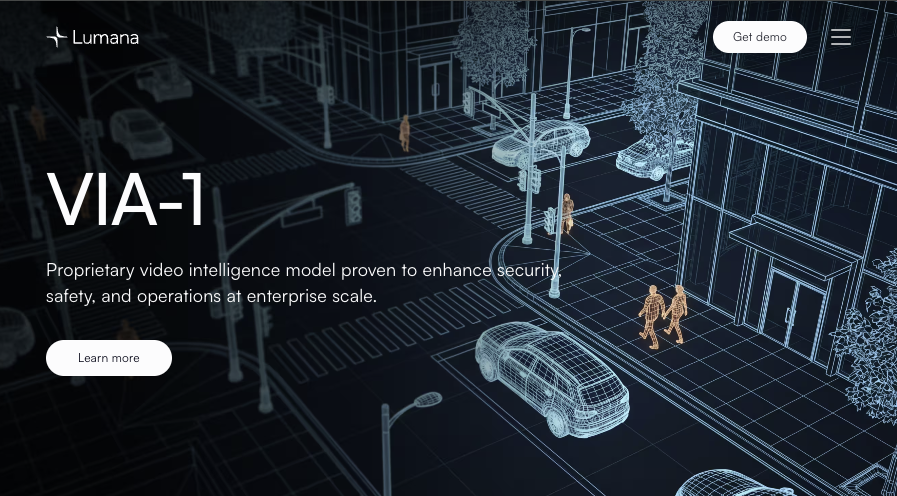
At Lumana, I developed 10 machine-learning models for license-plate OCR and plate-type classification; two replaced existing production models. I sourced and cleaned hundreds of thousands of images, used YOLOv8 to analyze crop quality, and compared models on accuracy, inference latency, compute requirements, and size. I also built a multi-LLM labeling pipeline that combined predictions through per-character majority voting.
Hardware builds, autonomous systems, and robotics engineering work.
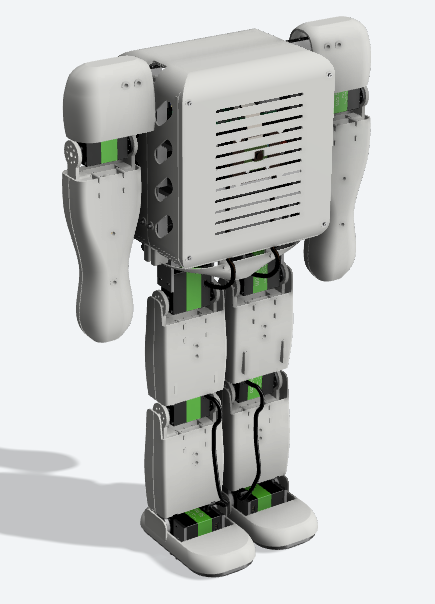
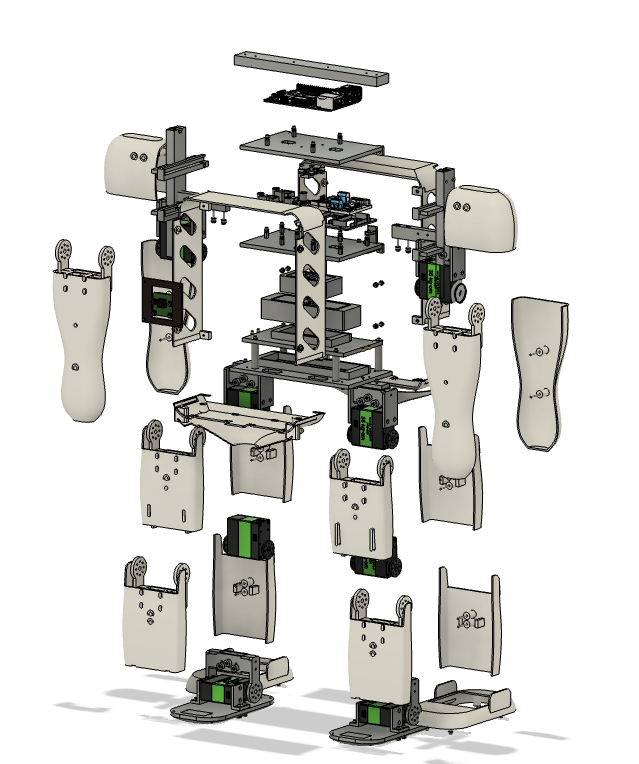
I designed Block-bot in Fusion for my Robotics Studio course. The design includes eight servos, a Raspberry Pi, a camera, and an IMU, with separate batteries for the servos and electronics. I created the internal component layout, exploded views, and renderings showing the robot in different poses.
Throughout the course, I will build the robot from scratch by 3D printing and assembling the parts, configuring and testing the electronics, and creating an RL policy to make the robot walk both in simulation and in the real world.
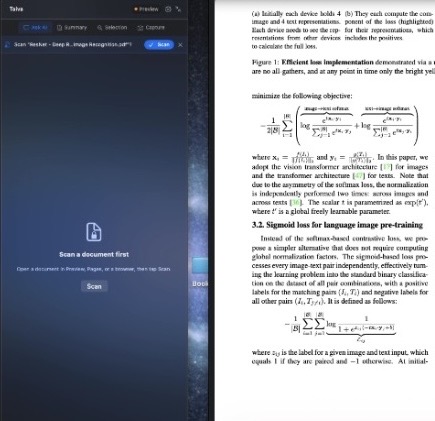
I built an AI copilot that uses Claude’s API to help users with the material they are working on. It reads user-authorized context from PDFs, webpages, emails, screenshots, and selected screen regions.
Experiments, lab techniques, and hands-on scientific work.
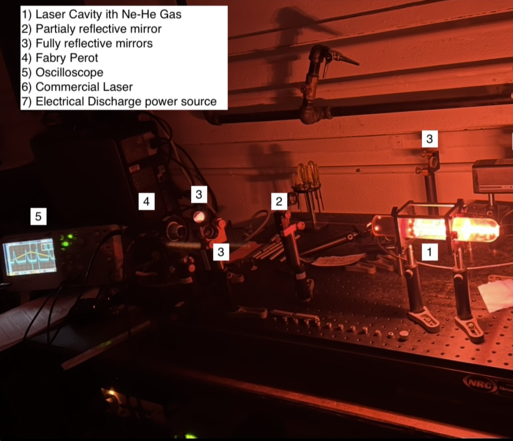
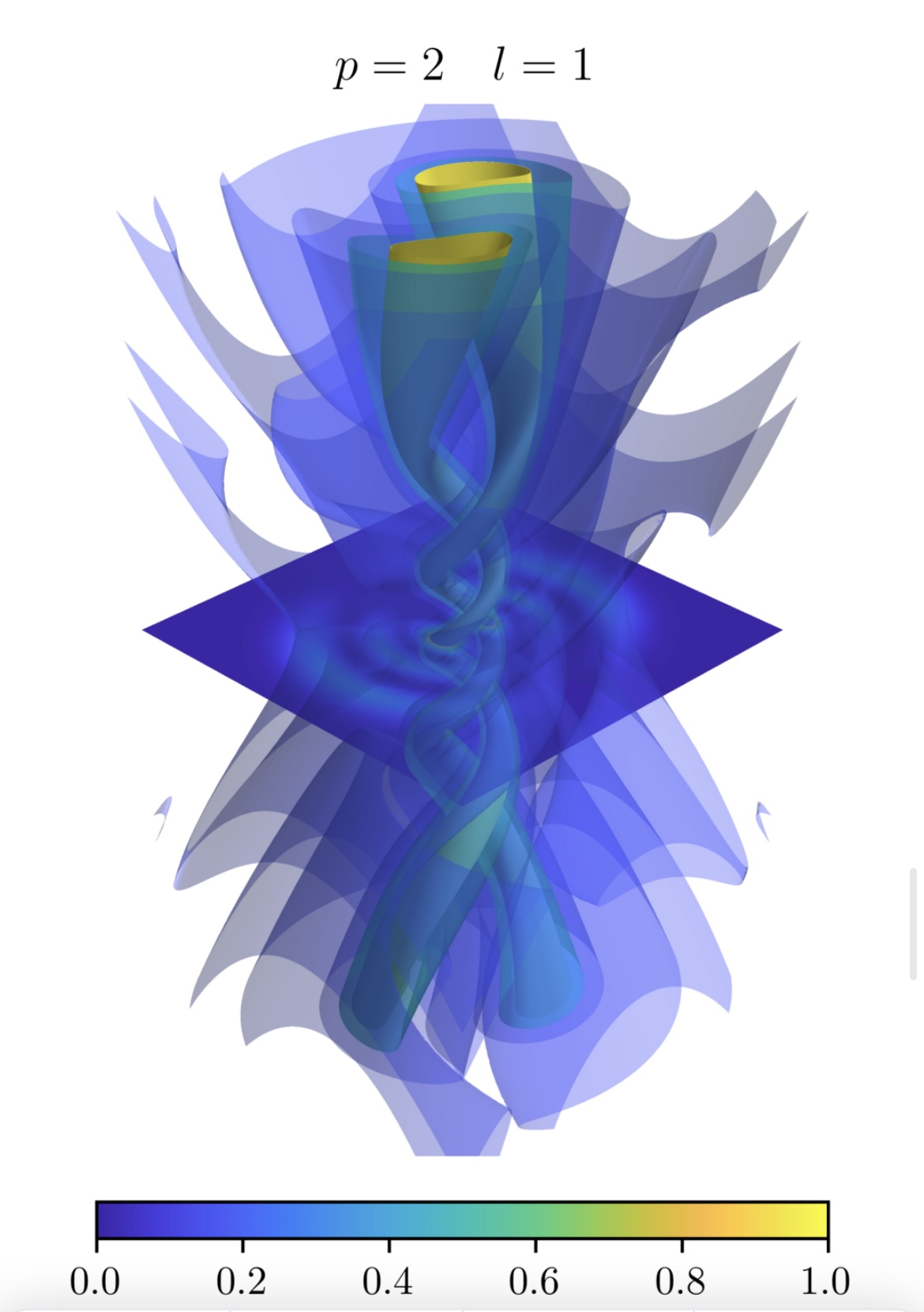
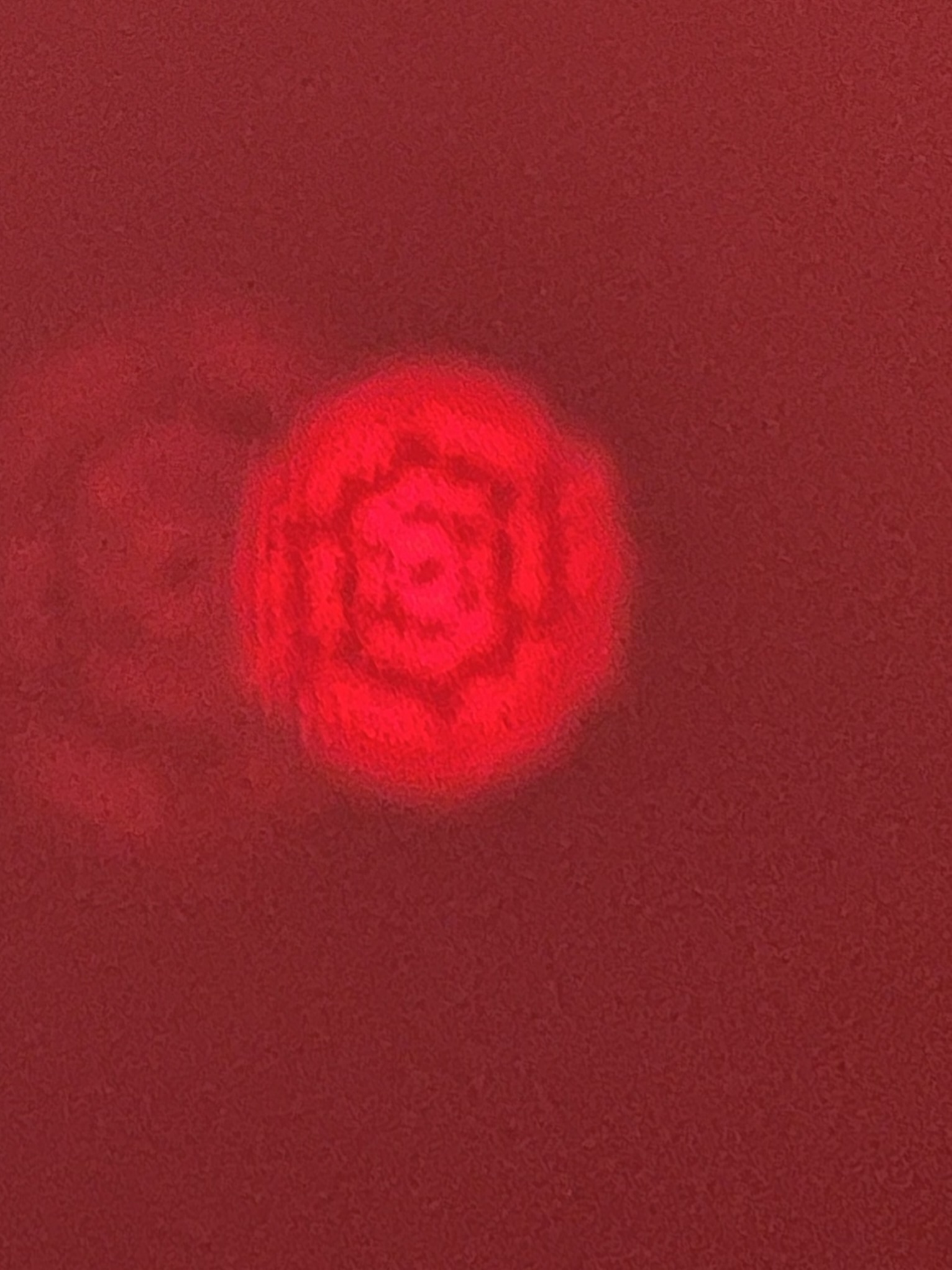
I constructed a helium–neon laser from the ground up, aligning the optical components and working on cavity stability. I used Fabry–Perot interferometry to characterize its longitudinal and spectral modes.